In Action
Watch Advanced PDR Done Right
Real repairs from the Mesa shop, played right here. No sped-up footage, no editing tricks. Pick a clip.

Tesla Quarter Panel
More real repairs
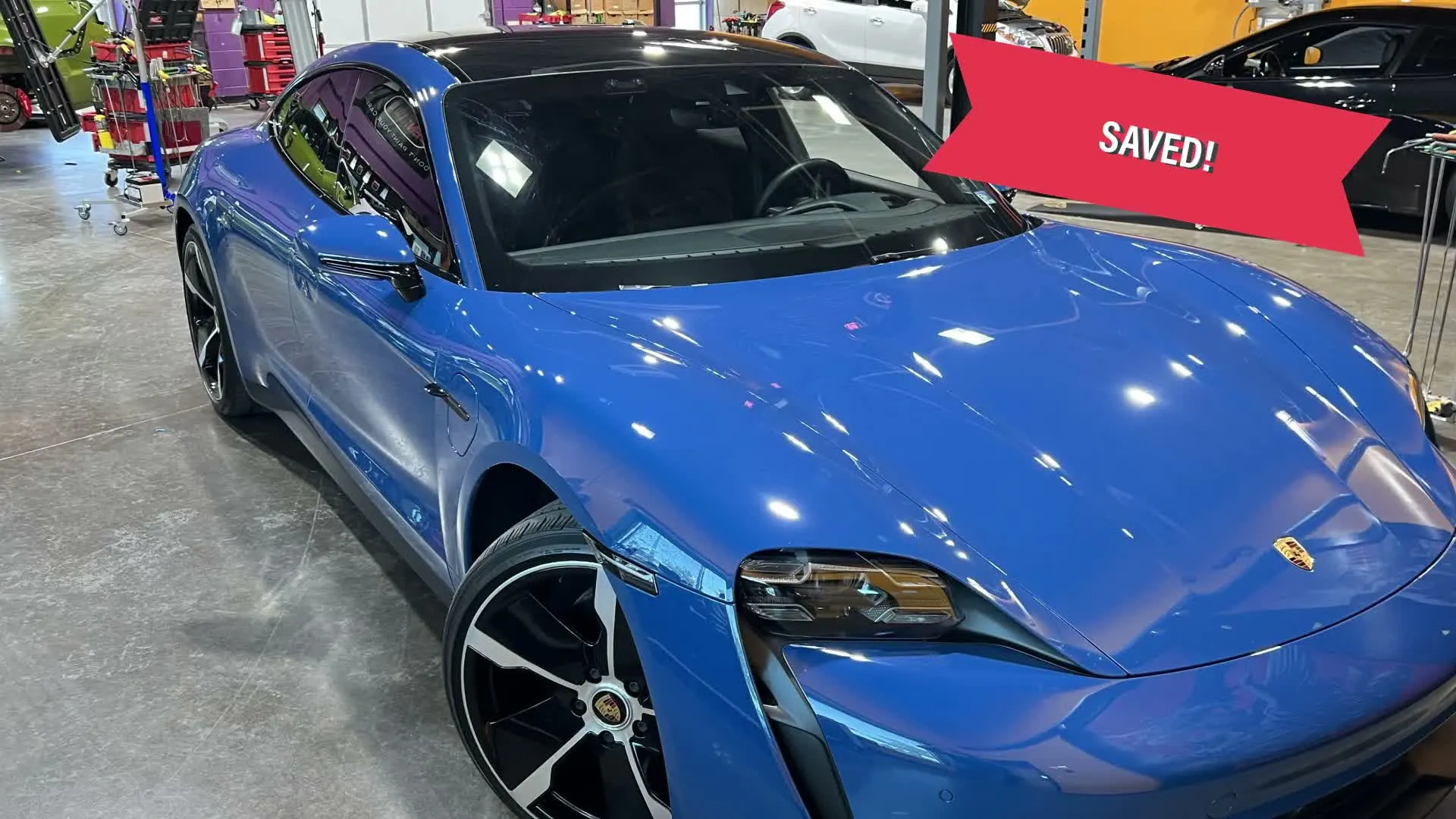
Crease dents, body line dents, large-panel damage, aluminum and high-strength steel repairs, vintage vehicles, damage that most shops decline, repaired correctly at A Better Repair.
Send a photo → quote in minutes · No obligation
Real repairs from the Mesa shop, played right here. No sped-up footage, no editing tricks. Pick a clip.
Tesla Quarter Panel
More real repairs
Standard PDR handles door dings and minor dents. Advanced PDR handles everything else: creases, body line dents, sharp damage, large-panel work, modern aluminum and high-strength steel construction, and vintage heavy-gauge steel restoration. A Better Repair has been developing and applying advanced PDR techniques since 2001, the T-form method, hydraulic pulling towers, glue-pull systems, and blended approaches that treat modern vehicle construction as a specialization rather than a limitation.
Advanced PDR covers damage types that exceed standard door ding work: crease dents that run along a panel edge or body line, sharp impacts that have deformed the metal at a concentrated point, large-area dents spanning a significant portion of a panel, and damage on materials requiring specific technique, aluminum panels that behave differently than steel, high-strength steel that resists conventional PDR tools, or classic vehicle steel that is thicker and more rigid than modern gauge.
The techniques used in advanced PDR include the T-form method (using hydraulic tension from pulling towers or rams to pre-stress the panel before working it from behind), glue-pull systems for surface access without disassembly, and precision blending approaches for damage near body lines. These are not beginner skills, they require specific training, calibrated equipment, and substantial hands-on experience to apply correctly.
Modern vehicles are built from materials that require PDR technicians to adapt their approach. Aluminum panels, used on many luxury vehicles, modern F-150s, Tesla models, and others, are softer than steel but also more susceptible to stretching if overworked. High-strength steel used in structural areas is harder than conventional steel and requires different tool pressures and working speeds. Jerod Kirk is I-CAR certified and ARC certified with specific training on these materials, including hybrid and EV platforms that continue to expand across the industry.
Many shops that offer PDR simply avoid aluminum or refer those jobs elsewhere. A Better Repair treats modern materials as part of the core skill set, not an exception. That means Valley drivers with newer vehicles, including aluminum-intensive trucks, luxury cars, and EVs, have a local option for advanced repairs without being turned away.
Classic and vintage vehicles present the opposite material challenge: heavier-gauge steel that was common in pre-1980s American manufacturing. The thickness and temper of vintage steel responds differently to PDR tools, it requires more deliberate working and patience. A Better Repair's experience with vintage vehicles includes muscle cars, classic trucks, and collector pieces where a repaint would raise authenticity concerns and reduce collector value.
For vintage vehicles with original or matching paint, PDR is often the only restoration option that preserves the paint completely. Even a skilled color match on vintage automotive paint, especially aged lacquers and single-stage colors, will never look identical to undisturbed original paint under good lighting.
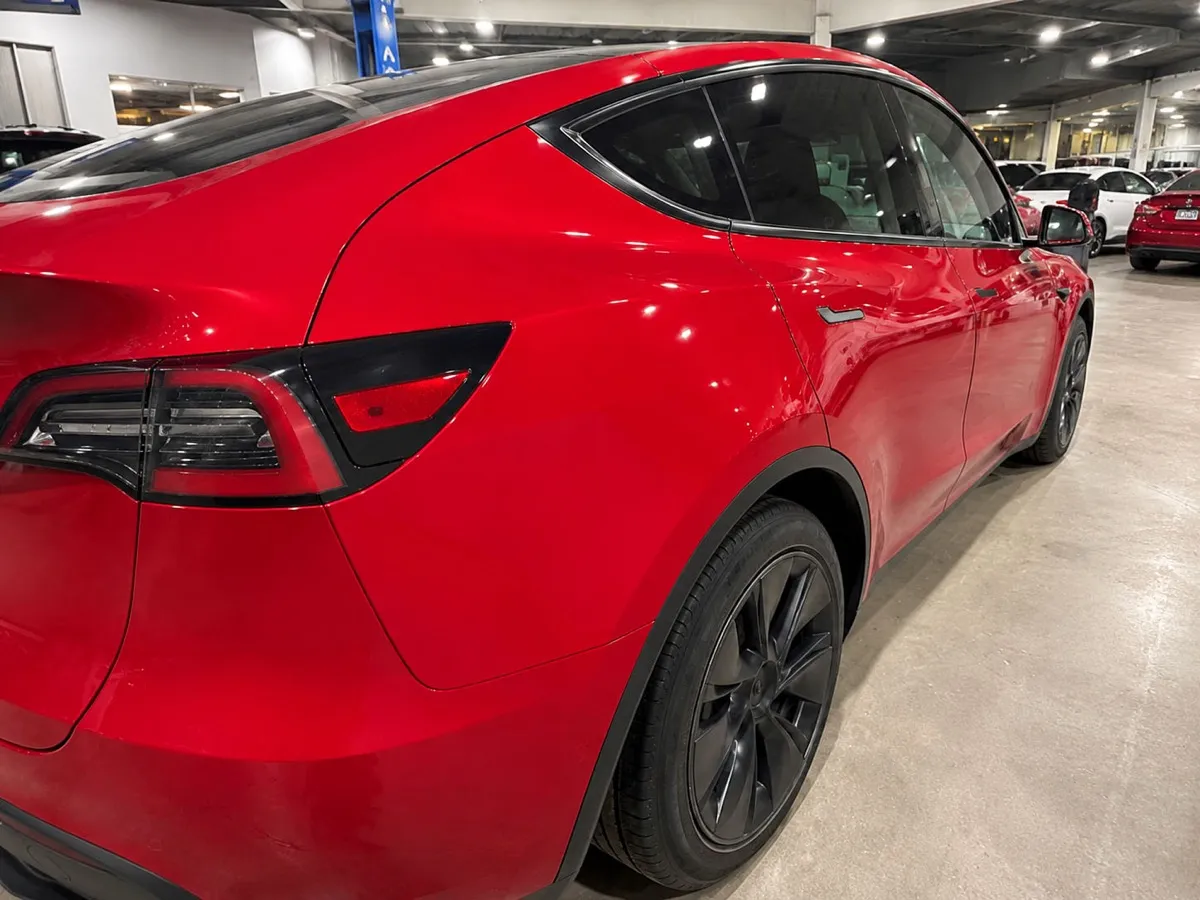
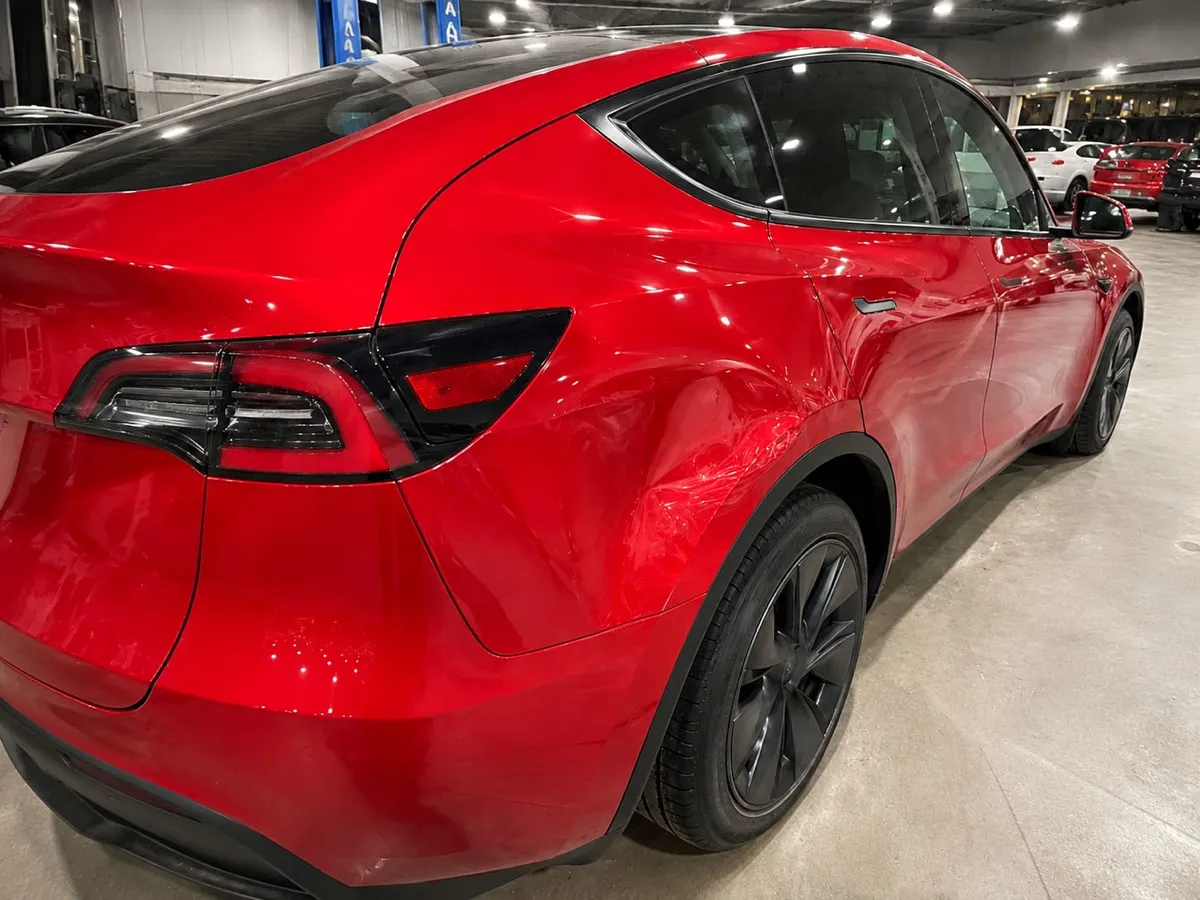 Before After
 Drag the slider to see the advanced pdr result, real A Better Repair work.
Bring your vehicle to 755 N. Country Club Drive, Suite 2, Mesa AZ. The damage type, material, and panel location are assessed. You get an honest evaluation of what advanced PDR can achieve and a transparent estimate.
T-form, pulling towers, glue-pull, or material-specific technique as the damage requires. No guessing, the right method for the specific repair.
Advanced repairs are verified under the lighting conditions that reveal any remaining imperfections. Pre-loss condition, not just "better than before."
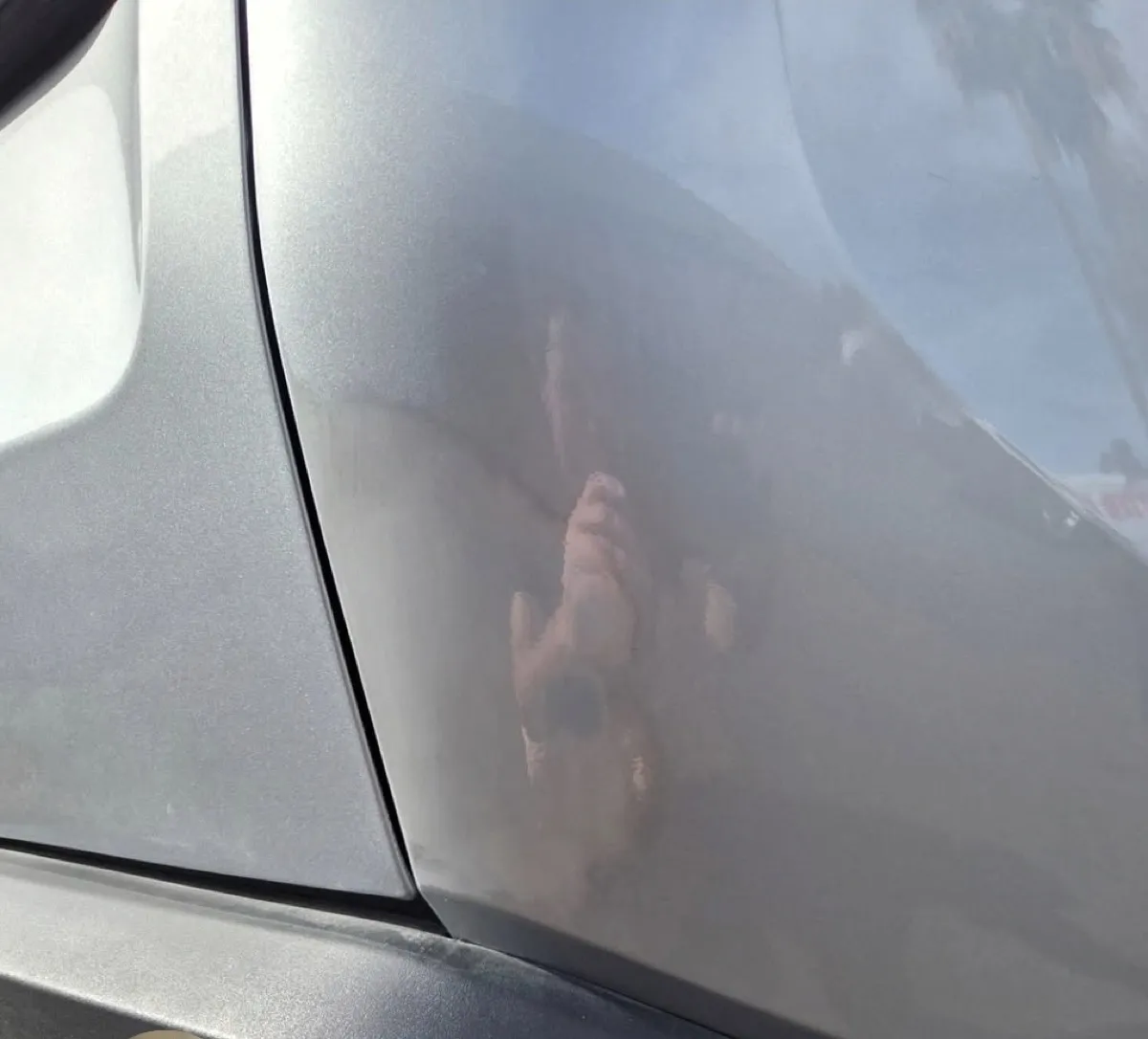
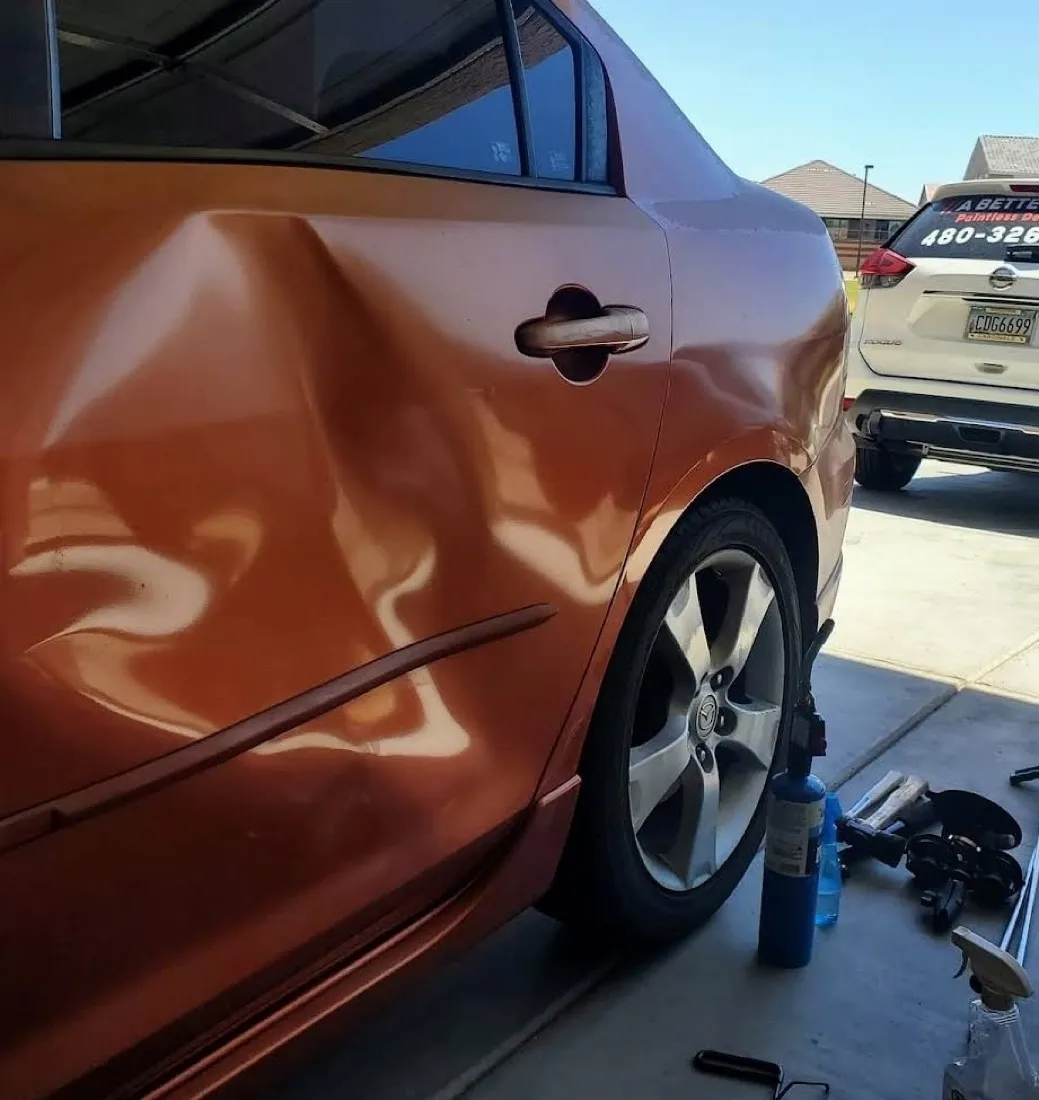
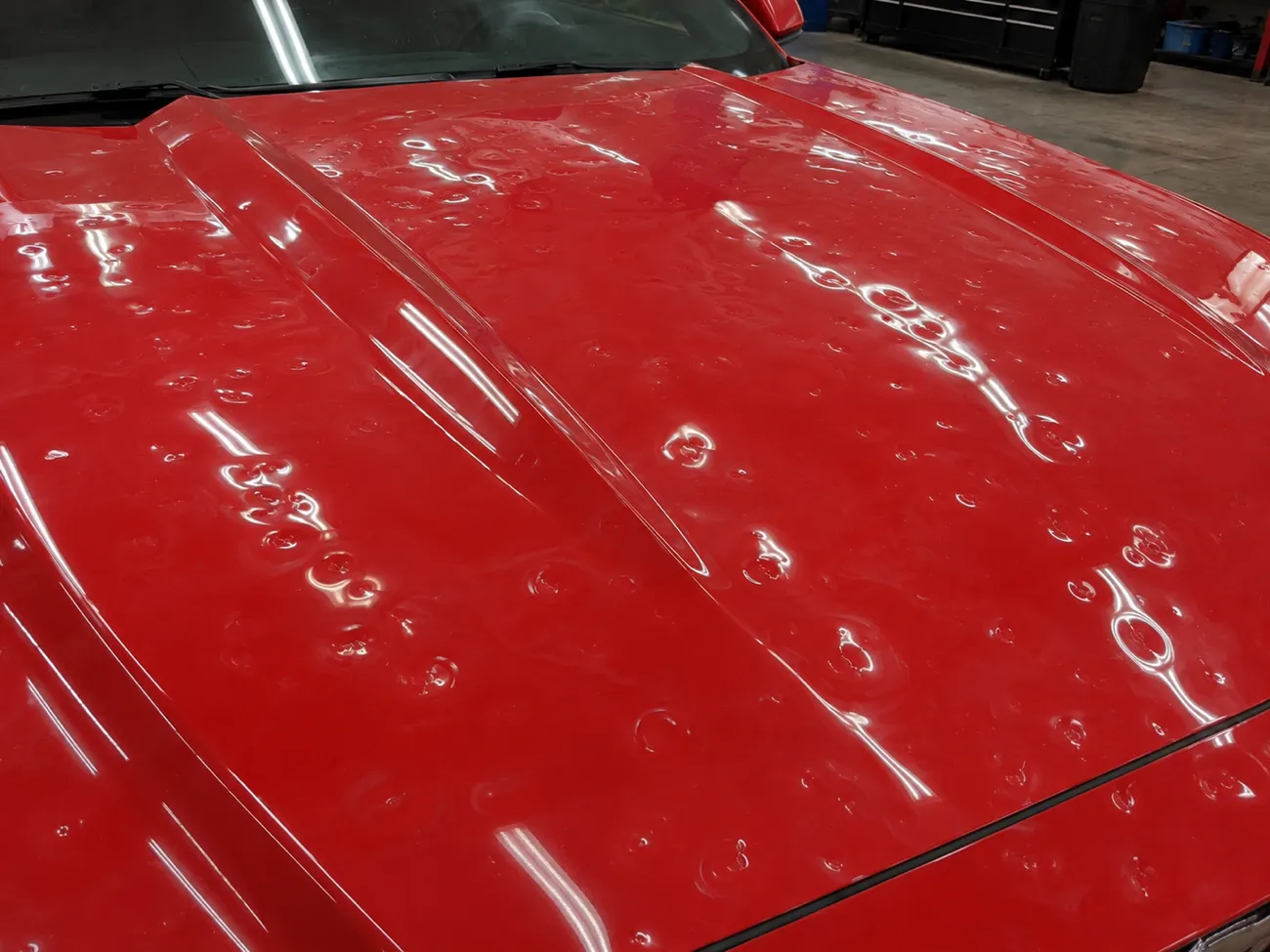
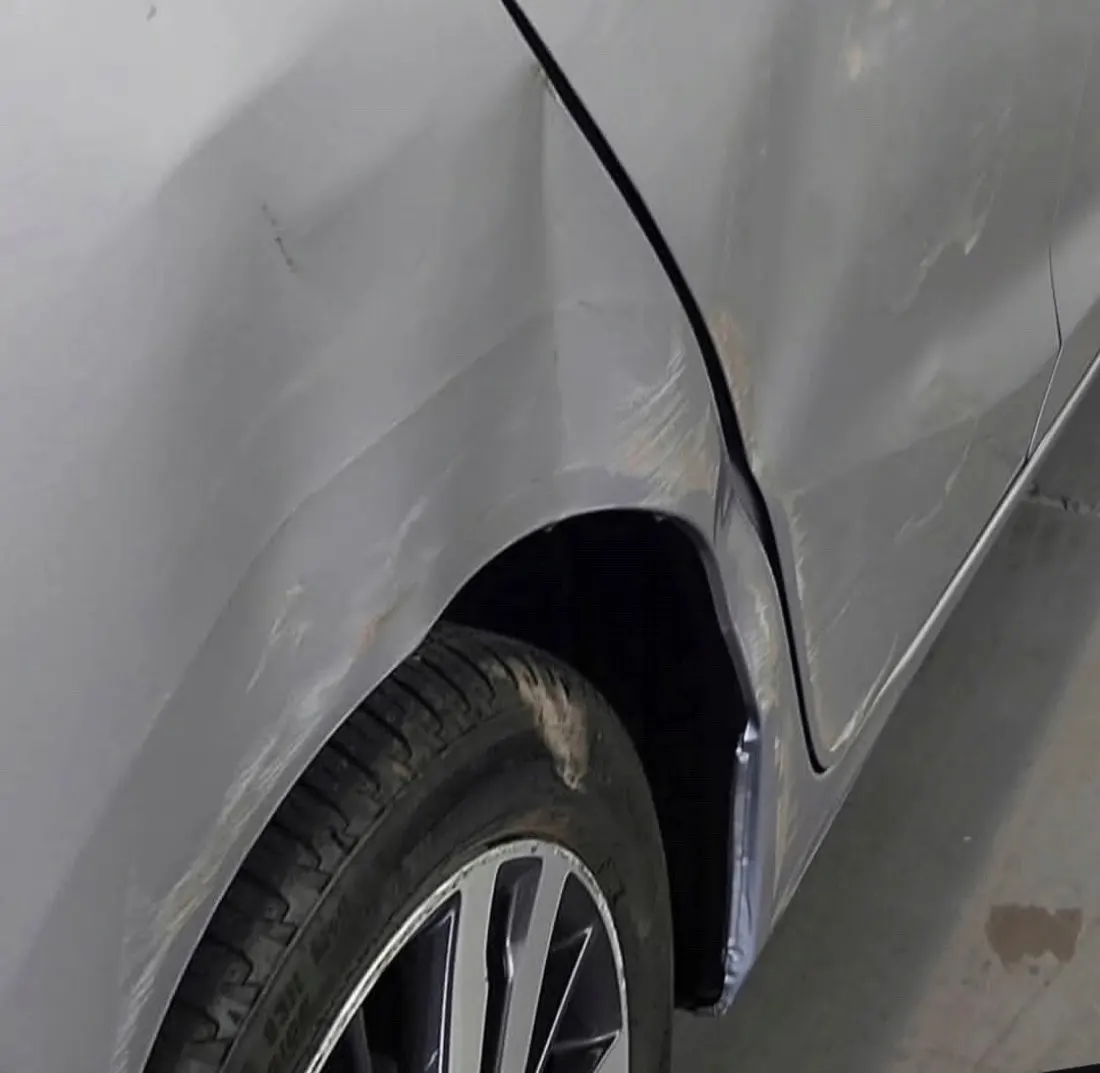
Drag the divider on each photo to reveal the repair.
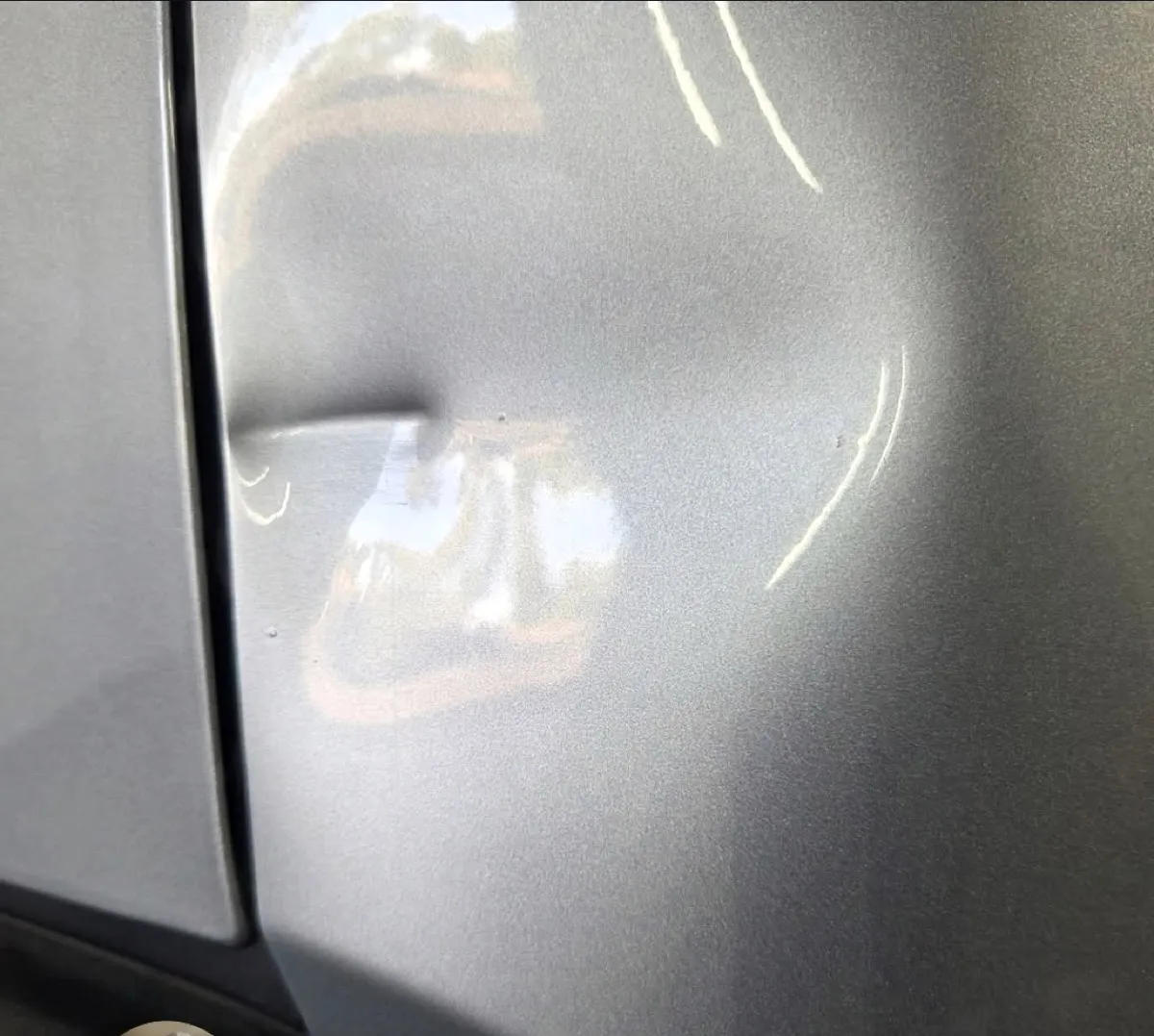 BeforeAfter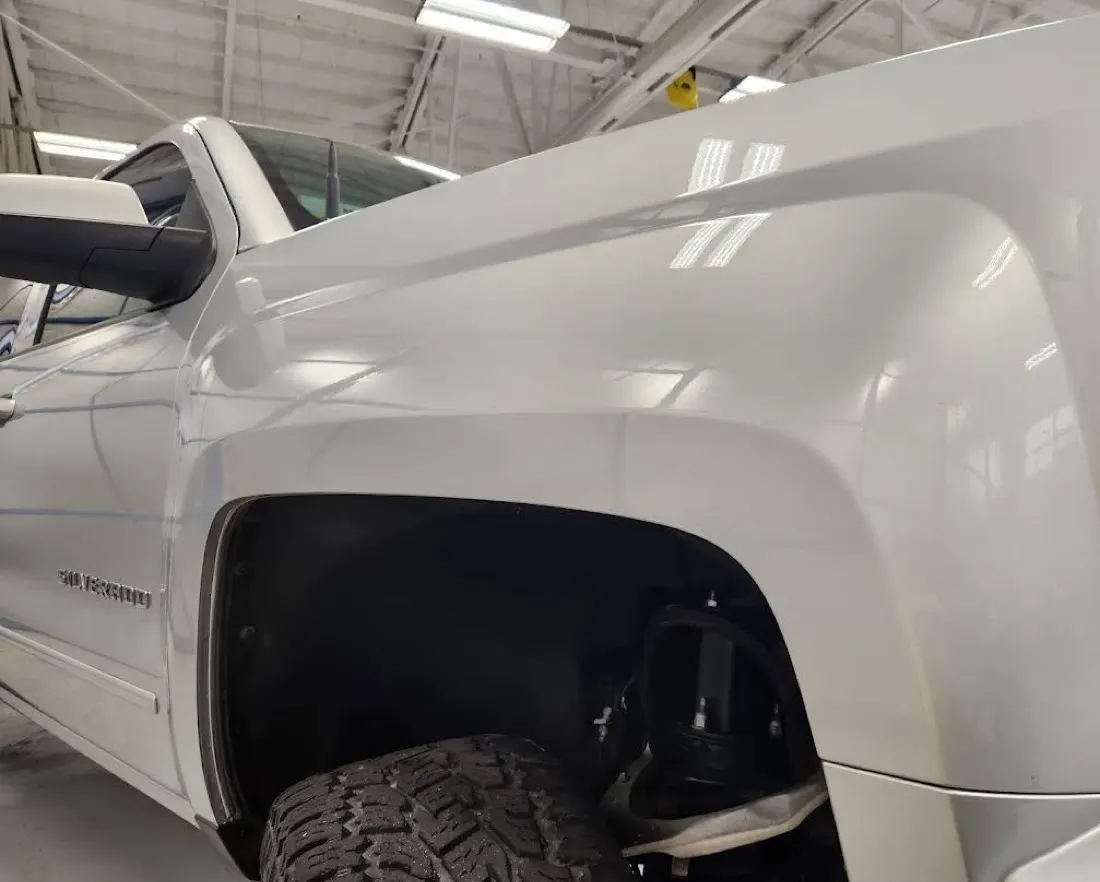
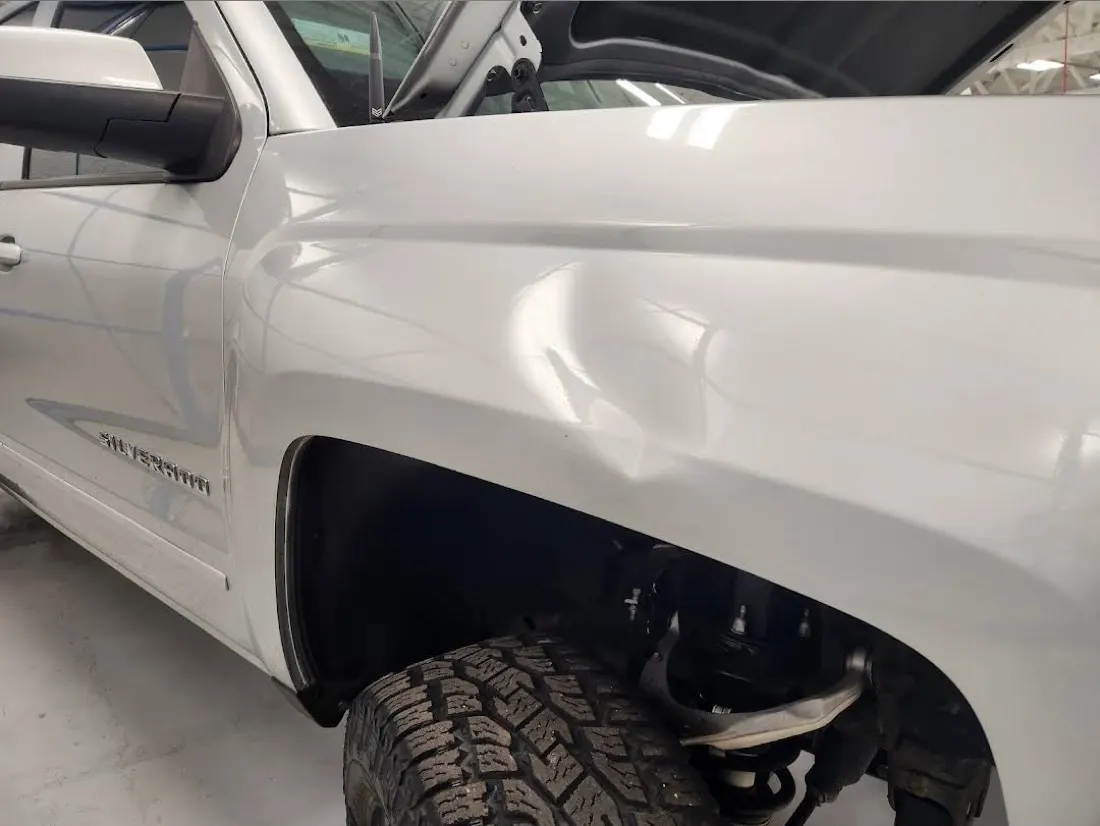 BeforeAfter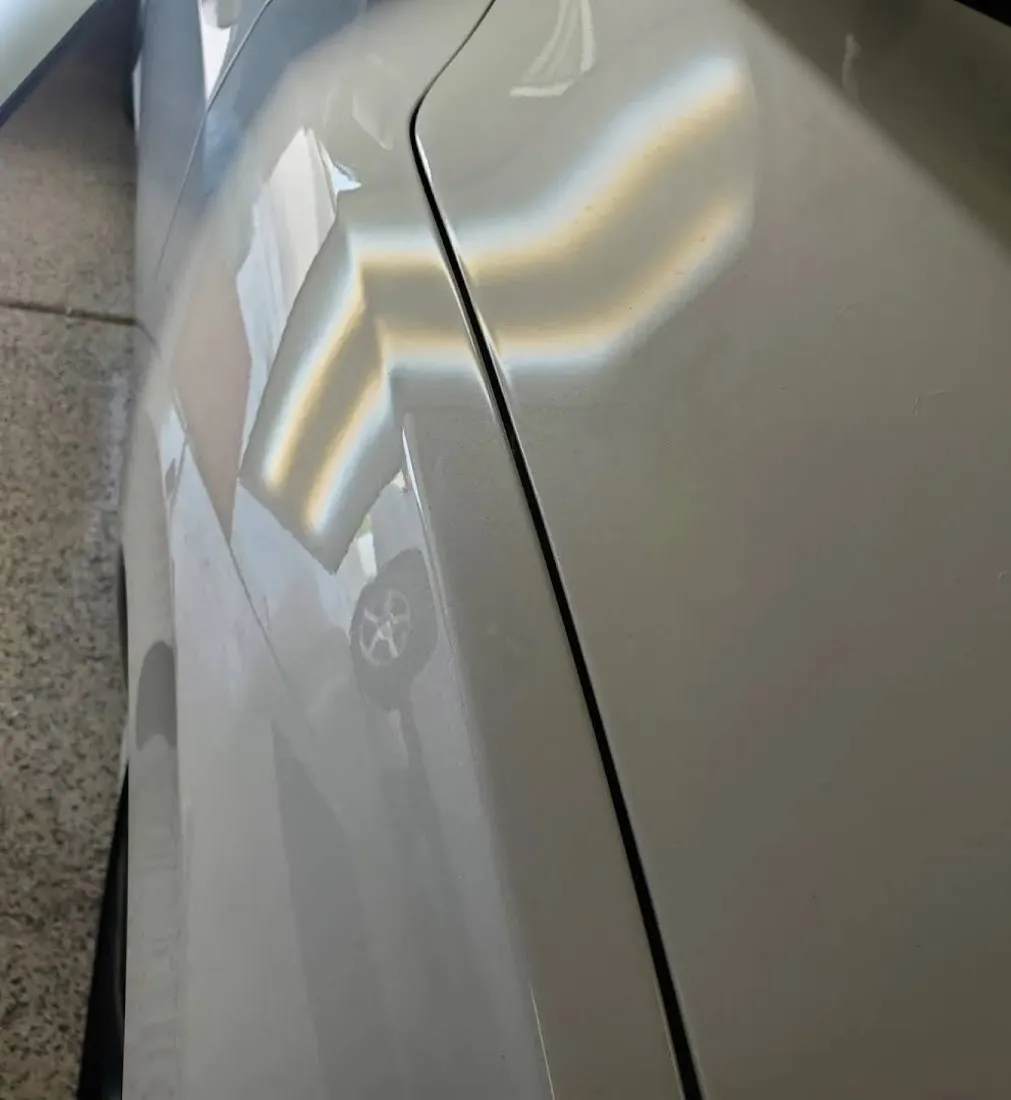
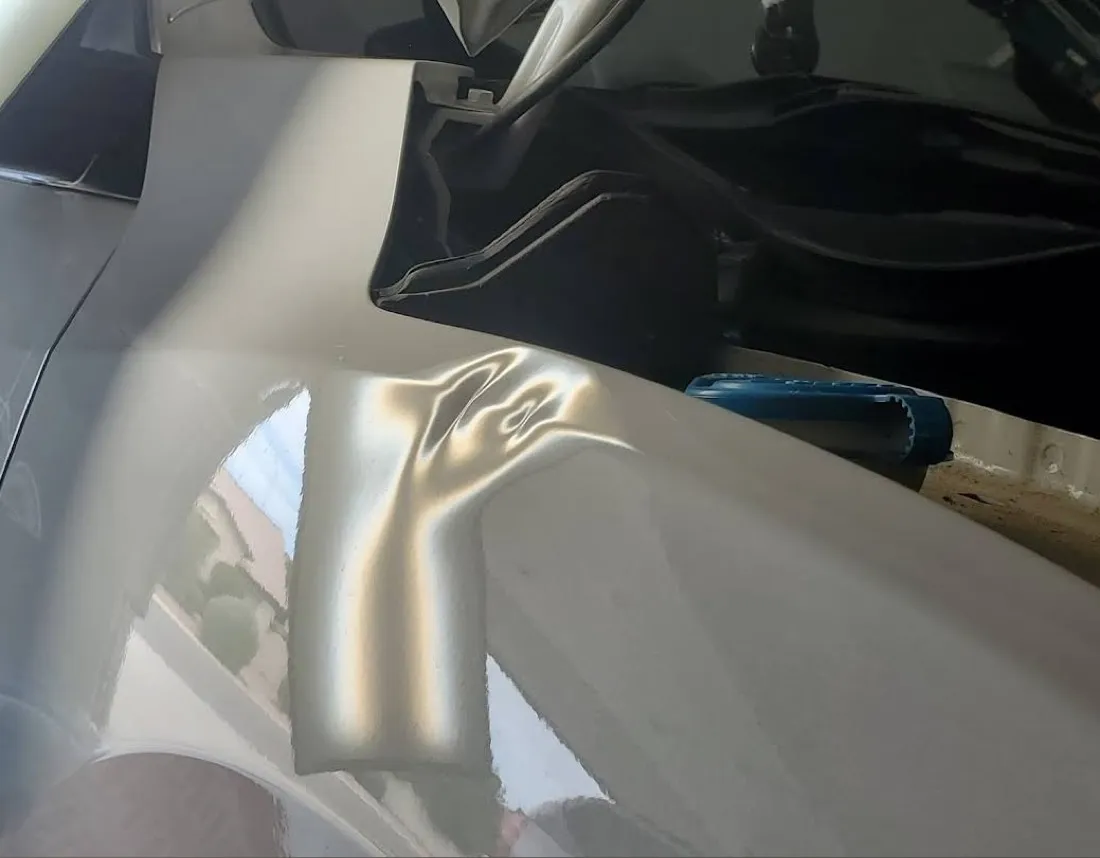 BeforeAfter
Advanced PDR pricing reflects the additional technique, time, and equipment involved compared to standard PDR work. On advanced work like this, the price can run closer to a body shop than a simple door ding would, and it is still the better repair because it preserves the factory finish a repaint would replace. A Better Repair provides transparent, itemized estimates before any work begins. Call (480) 326-3481 to discuss your specific damage.
Professional PDR at our Mesa shop, 755 N. Country Club Drive, Suite 2. Factory finish preserved, I-CAR certified. Free estimate, no obligation.
Crease dents, body line dents, sharp impacts, large-panel damage, and dents on aluminum, high-strength steel, or vintage vehicle panels all fall into the advanced PDR category. A Better Repair assesses each case individually.
Yes. The F-150's aluminum body panels require aluminum-specific PDR technique. Jerod Kirk is specifically trained and certified for aluminum PDR, it's part of the core skill set at A Better Repair, not a specialty that gets referred out.
Yes, and for vintage vehicles with original or matching paint, PDR is often the only option that preserves the paint completely. A Better Repair has experience with pre-1980s heavy-gauge steel and the specific technique it requires.
Advanced PDR for hail damage or covered collision events is typically included in a comprehensive or collision claim. A Better Repair assists with documentation to ensure the full scope of advanced repairs is accurately captured.
Yes. Where paint has cracked at the dent, metal has torn, or structural deformation exceeds what PDR can correct, conventional repair may be necessary. A Better Repair gives you that honest assessment before any work begins.
A Better Repair provides advanced pdr to drivers throughout the East Valley and Greater Phoenix, all from our Mesa shop. Choose your city for local details.
 PK, your repair concierge